The Ultimate Guide to Event Power and Lighting for High-Impact Events

When people talk about unforgettable events, they rarely mention power cables or lighting plots. They talk about how the room felt, how the stage came alive, and how everything simply worked. What most guests never see is the technical backbone quietly holding all of those moments together. Behind every seamless production is thoughtful power planning, reliable event power distribution, and lighting that guides attention, shapes mood, and elevates the overall experience.
Power and lighting are not last-minute decisions. They influence venue selection, production design, budgets, and safety planning from day one. A poorly planned event electrical setup can limit what is creatively possible, while strong lighting and power logistics open the door to flexibility and scale. Many event issues do not come from creative ideas failing — they come from underestimating venue power requirements, miscalculating loads, or overlooking redundancy.
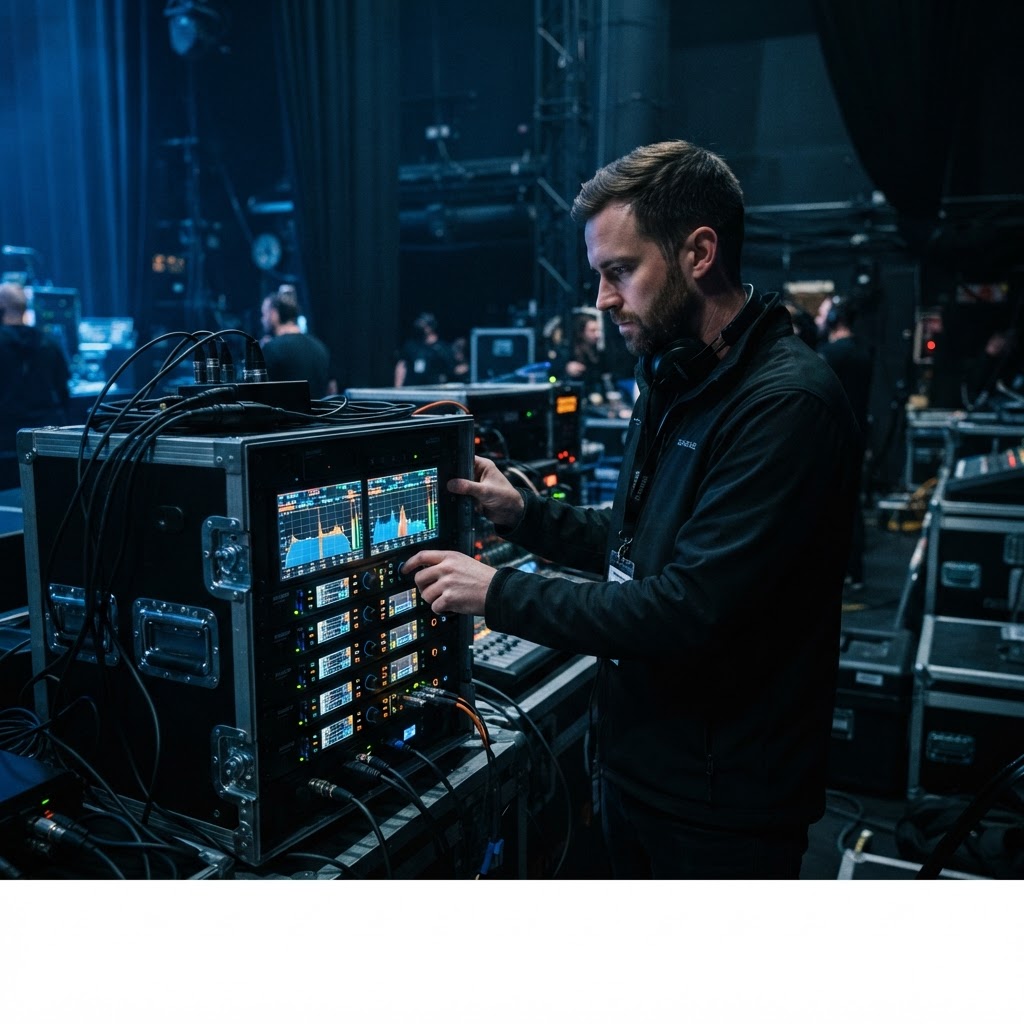
Every live event relies on consistent, reliable electricity — audio systems, video walls, lighting rigs, control systems, special effects, and sometimes catering or climate control. Proper event power distribution ensures each system receives stable power without overloads or failures. This includes load calculations for every department, circuit planning and phase balancing, cable routing and grounding, and backup and redundancy planning.
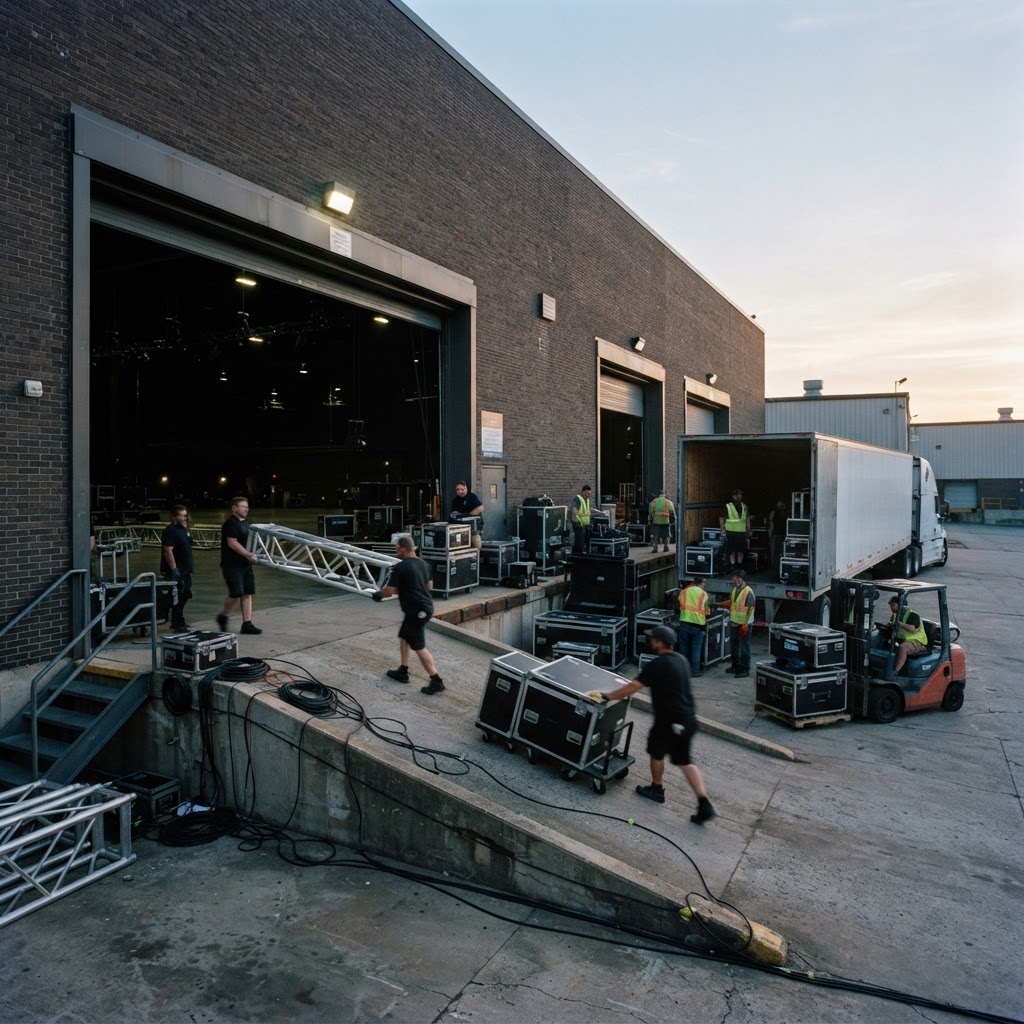
Not every venue can support modern production demands. This is where temporary power solutions for events come into play. A proper event generator setup is not just about placing a generator on-site — it involves matching capacity to total load, planning fuel consumption and refueling, managing noise placement and exhaust, and designing backup generators for redundancy. One of the most common mistakes in production planning is assuming venue power is "enough."
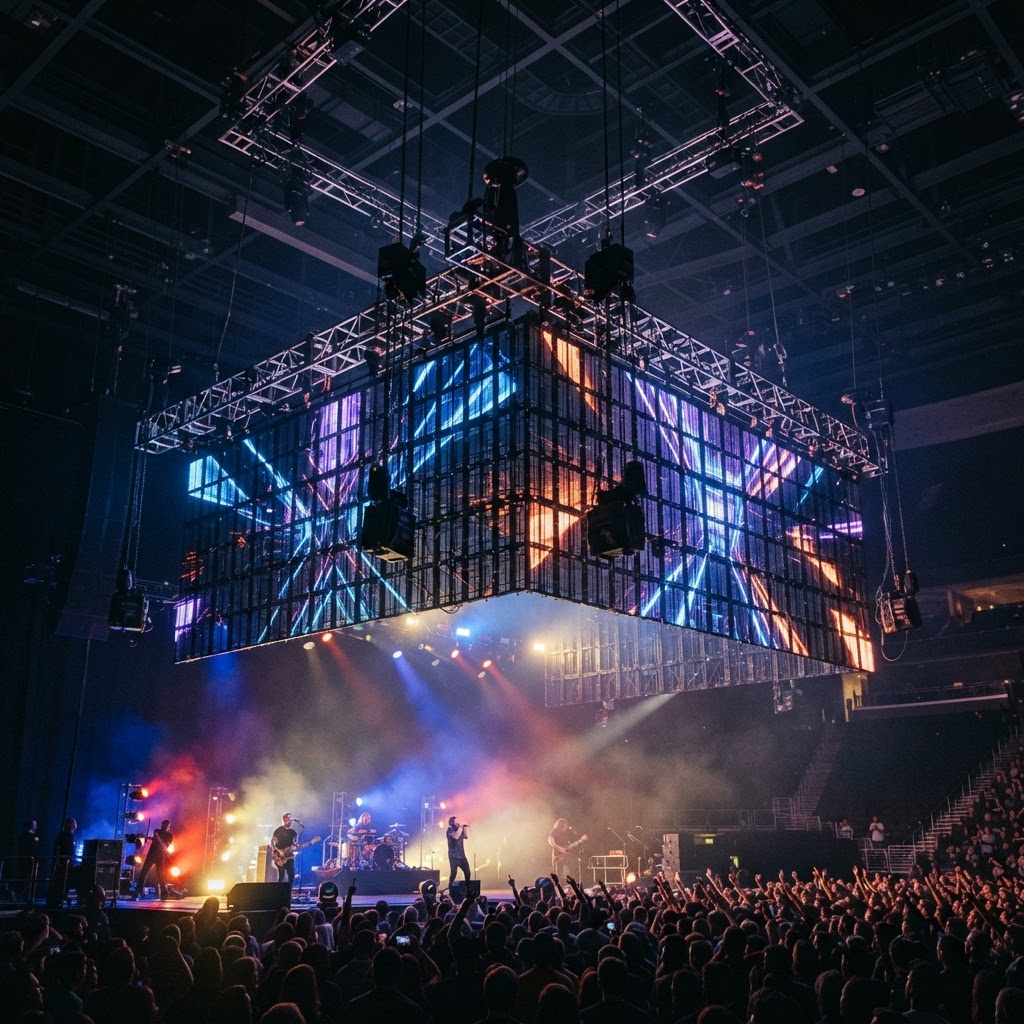
Lighting is storytelling. A strong stage lighting design directs focus, builds energy, and reinforces brand identity. Stage and performance lighting — front light, back light, washes, and moving fixtures — is the foundation of concerts, conferences, and live shows. Ambient and mood lighting create atmosphere and influence emotion, essential for receptions and networking spaces. Architectural event lighting transforms venues by highlighting walls, ceilings, and structural elements. And LED event lighting is now the standard due to its flexibility, efficiency, and color control.
Lighting design should always adapt to the type of event. Corporate environments rely on clean stage lighting and subtle architectural lighting that supports branding without distraction. Concerts and festivals depend on advanced lighting effects synchronized with audio and visuals, requiring robust power distribution. Brand activations lean heavily on mood and immersive LED lighting to create memorable environments. And weddings prioritize soft transitions and layered lighting that elevate emotional moments without overpowering them.
Redundancy protects events from visible failure. Backup generators, split power distribution systems, and priority circuits ensure critical equipment stays online. Strong redundancy planning is a core part of professional event power management services and prevents disruptions that guests would otherwise notice immediately. When power and lighting are done right, they disappear into the background. When they are not, even the most creative concept can quickly lose its impact.